

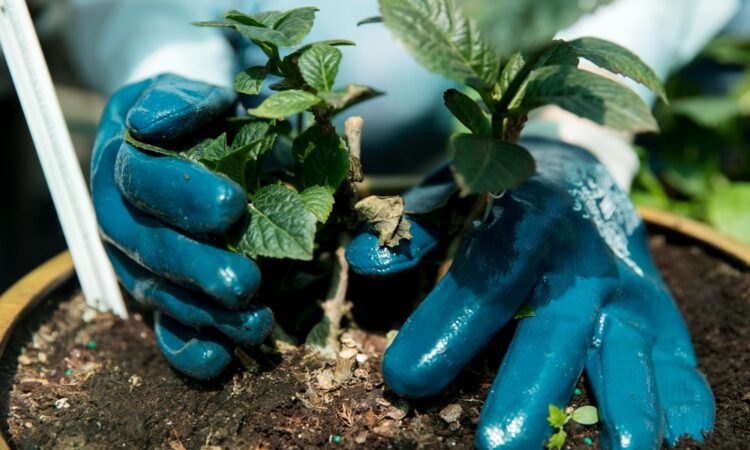
Healthy soil forms the backbone of every successful landscape across Texas. From dry western regions to humid eastern zones, soil quality shapes plant growth, water retention, and overall landscape appeal. Many properties struggle with compacted ground, poor nutrients, or uneven moisture, which leads to weak plant performance and higher maintenance needs.
A smart approach to soil care can change that outcome. Access to bulk mulch, compost, and soil in Texas supports stronger root systems and long-term vitality. This article highlights practical ways to improve soil health, enhance structure, and support thriving landscapes across diverse Texas environments.
Improve Soil Structure for Stronger Landscapes
Soil structure determines how well roots expand, how water travels, and how air circulates below the surface. Many Texas soils contain dense clay that limits root growth, while sandy regions face rapid drainage and nutrient loss. Both conditions require targeted improvement for better plant performance.
Organic amendments help correct these issues. They loosen compacted areas and add body to loose soil, which creates a balanced environment. Small air pockets allow roots to grow deeper and absorb nutrients more effectively.
Soil testing also provides valuable insight into pH levels and nutrient deficiencies, which helps guide accurate treatment. Strong soil structure creates a reliable base for long-term landscape success. Plants grow more resilient and adapt better to environmental stress.
Enrich Texas Soil with Organic Materials
Organic materials play a key role in soil health. Compost, mulch, and other natural inputs provide nutrients and support beneficial microorganisms. These elements work together to build fertile soil that sustains plant life over time.
Effective organic materials for soil improvement
- Compost adds essential nutrients and supports microbial activity
- Mulch protects the surface and regulates temperature
- Aged manure delivers slow-release nutrients
- Leaf mold improves moisture retention and soil texture
Each material uniquely contributes to soil vitality. A combination of these resources creates a balanced system that supports consistent plant growth. Landscapes that rely on organic enrichment often show improved color, strength, and durability.
Manage Water to Support Soil Health in Texas
Water management directly affects soil performance. Excess water leads to compaction and root damage, while insufficient moisture results in dry, nutrient-poor conditions. Texas landscapes often face both extremes, which makes proper water control essential.
Efficient irrigation systems provide consistent moisture without waste. Drip irrigation delivers water directly to root zones, which reduces evaporation and runoff. Proper grading also helps distribute water evenly and prevents pooling.
Mulch enhances water retention by limiting surface evaporation. This creates a stable environment where roots remain hydrated without excess moisture. Balanced water levels support healthy soil and reduce plant stress during hot seasons.
Apply Mulch to Protect and Strengthen Soil
Mulch acts as a protective barrier that shields soil from extreme weather. Texas heat can dry out soil quickly, which causes cracks and nutrient loss. A proper mulch layer maintains stable conditions and supports long-term soil health.
Practical mulch application tips
- Apply 2 to 4 inches of mulch for effective coverage
- Keep mulch away from plant bases to prevent decay
- Use organic mulch such as wood chips or bark
- Replace mulch as it breaks down over time
As mulch decomposes, it adds valuable organic matter to the soil. This gradual enrichment improves structure and fertility. Landscapes that use mulch correctly often require less water and show stronger plant performance.
Use Professional Solutions for Better Soil Results
Large-scale soil improvement often requires expert support. Professional services provide soil testing, bulk material supply, and precise application methods. These services ensure that soil receives the right balance of nutrients and structure adjustments.
Experts evaluate soil composition and recommend targeted solutions based on local conditions. This approach prevents overuse of fertilizers and promotes sustainable improvement. Bulk delivery of materials ensures consistent coverage across large areas, which is especially useful for commercial or expansive residential landscapes.
Reliable access to bulk mulch, compost, and soil in Texas allows property owners to maintain consistent soil quality across seasons. Professional handling also reduces labor demands and improves efficiency.
Maintain Soil Health Through Seasonal Care
Seasonal changes influence soil conditions across Texas. Heat, drought, and occasional heavy rainfall can disrupt soil balance. Regular maintenance helps preserve soil quality and supports long-term landscape performance.
Simple seasonal actions make a significant difference. Soil aeration reduces compaction and improves airflow. Organic amendments restore nutrients that plants use over time. Mulch replacement ensures continued protection against temperature extremes.
Consistent care keeps soil active and productive throughout the year. Healthy soil supports strong roots, vibrant plants, and landscapes that remain visually appealing across changing conditions.
Healthy soil supports every successful landscape in Texas. Balanced structure, proper moisture, and organic enrichment create an environment where plants thrive. Thoughtful practices and professional support help maintain soil quality across different regions and seasons. Consistent improvement efforts lead to stronger roots, better growth, and reduced maintenance needs. A focus on soil health ensures landscapes remain resilient and visually appealing for years to come.