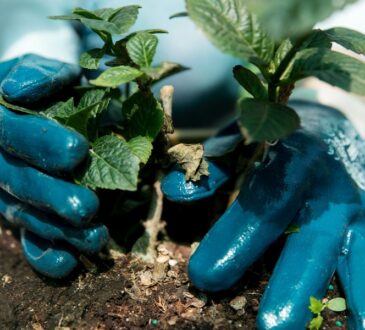

Cottage gardens are loved for their abundance, but that same abundance can make fruit tree planting difficult. Dense borders, romantic underplanting, winding paths, and informal structure all create charm. They can also create competition, shade, and awkward access if a tree is added without enough thought.
A fruit tree can fit beautifully into a cottage garden when it is given a clear role. It can rise above perennials, frame a path, bring spring blossom, and offer late-season crops. The mistake is assuming that informal style means informal planning.
Gardeners browsing fruit trees for sale for cottage gardens should choose with both beauty and practicality in mind. The tree needs enough light, air, root space, and access to remain productive among generous planting.
The fruit trees specialists at ChrisBowers advise cottage gardeners to protect the young tree’s root zone during establishment. Their guidance is to enjoy companion planting, but not to let dense perennials, shrubs, or grass compete right against a new trunk. They also suggest thinking about airflow and picking access before planting. In an informal British garden, the best fruit tree is often the one that looks natural while still having enough room to stay healthy.
Mistake 1: Planting Into Too Much Competition
The question of root competition, dense perennials, and crowded soil should be settled before the tree is planted. For gardeners who like informal British cottage planting but still want productive, healthy fruit trees, it affects not only the crop but also how the garden feels and how easily the tree can be looked after.
The common risk is letting surrounding planting overwhelm a young tree. It may not look serious when the tree is young, but it can shape every later season. A fruit tree is a permanent decision, so small errors in position or scale can become surprisingly persistent.
Cottage borders can be rich but demanding. This local detail matters in British gardens because weather, light, and available space rarely behave exactly as expected. A tree that suits those realities will usually outperform one chosen from enthusiasm alone.
The decision should also take account of what will be convenient after the first flush of enthusiasm has passed. A fruit tree is at its best when the gardener can check it casually, reach the branches without a special expedition, and keep the soil around it in good condition. That ordinary convenience often has more influence on long-term results than a dramatic planting idea.
The practical response is to keep the immediate root zone open while the tree establishes. That keeps the planting connected to real care, real access, and real harvest use. It also gives the gardener a clear reason for choosing one form, rootstock, or position over another.
The tree can join the border gradually instead of fighting it from the first year. This is the difference between a tree that merely survives and a tree that becomes part of the garden’s rhythm. When the decision is made carefully, pruning, watering, and picking all become easier to repeat year after year.
It is also worth imagining the tree during an ordinary week, not only in perfect blossom or at harvest. The best choices look sensible in rain, wind, school runs, workdays, and the quieter months when structure matters more than display.
Mistake 2: Forgetting Airflow Around the Canopy
The question of canopy spacing, disease pressure, and damp foliage should be settled before the tree is planted. For gardeners who like informal British cottage planting but still want productive, healthy fruit trees, it affects not only the crop but also how the garden feels and how easily the tree can be looked after.
The common risk is placing the tree where still air collects. It may not look serious when the tree is young, but it can shape every later season. A fruit tree is a permanent decision, so small errors in position or scale can become surprisingly persistent.
Traditional planting can hold moisture after rain. This local detail matters in British gardens because weather, light, and available space rarely behave exactly as expected. A tree that suits those realities will usually outperform one chosen from enthusiasm alone.
The decision should also take account of what will be convenient after the first flush of enthusiasm has passed. A fruit tree is at its best when the gardener can check it casually, reach the branches without a special expedition, and keep the soil around it in good condition. That ordinary convenience often has more influence on long-term results than a dramatic planting idea.
The practical response is to leave space for air to move through branches. That keeps the planting connected to real care, real access, and real harvest use. It also gives the gardener a clear reason for choosing one form, rootstock, or position over another.
Healthy growth supports the romantic look without encouraging avoidable disease. This is the difference between a tree that merely survives and a tree that becomes part of the garden’s rhythm. When the decision is made carefully, pruning, watering, and picking all become easier to repeat year after year.
It is also worth imagining the tree during an ordinary week, not only in perfect blossom or at harvest. The best choices look sensible in rain, wind, school runs, workdays, and the quieter months when structure matters more than display.
Mistake 3: Choosing Scale by Sentiment
The question of rootstock, final size, and garden proportion should be settled before the tree is planted. For gardeners who like informal British cottage planting but still want productive, healthy fruit trees, it affects not only the crop but also how the garden feels and how easily the tree can be looked after.
The common risk is selecting a tree because it sounds traditional rather than suitable. It may not look serious when the tree is young, but it can shape every later season. A fruit tree is a permanent decision, so small errors in position or scale can become surprisingly persistent.
Small cottage gardens can quickly feel crowded. This local detail matters in British gardens because weather, light, and available space rarely behave exactly as expected. A tree that suits those realities will usually outperform one chosen from enthusiasm alone.
The decision should also take account of what will be convenient after the first flush of enthusiasm has passed. A fruit tree is at its best when the gardener can check it casually, reach the branches without a special expedition, and keep the soil around it in good condition. That ordinary convenience often has more influence on long-term results than a dramatic planting idea.
The practical response is to match size and form to the real border. That keeps the planting connected to real care, real access, and real harvest use. It also gives the gardener a clear reason for choosing one form, rootstock, or position over another.
The planting keeps its charm because the tree does not dominate everything around it. This is the difference between a tree that merely survives and a tree that becomes part of the garden’s rhythm. When the decision is made carefully, pruning, watering, and picking all become easier to repeat year after year.
It is also worth imagining the tree during an ordinary week, not only in perfect blossom or at harvest. The best choices look sensible in rain, wind, school runs, workdays, and the quieter months when structure matters more than display.
Mistake 4: Hiding the Tree From Everyday Care
The question of paths, picking, pruning, and visibility should be settled before the tree is planted. For gardeners who like informal British cottage planting but still want productive, healthy fruit trees, it affects not only the crop but also how the garden feels and how easily the tree can be looked after.
The common risk is tucking a tree behind planting where it is hard to reach. It may not look serious when the tree is young, but it can shape every later season. A fruit tree is a permanent decision, so small errors in position or scale can become surprisingly persistent.
Informal gardens still need practical routes. This local detail matters in British gardens because weather, light, and available space rarely behave exactly as expected. A tree that suits those realities will usually outperform one chosen from enthusiasm alone.
The decision should also take account of what will be convenient after the first flush of enthusiasm has passed. A fruit tree is at its best when the gardener can check it casually, reach the branches without a special expedition, and keep the soil around it in good condition. That ordinary convenience often has more influence on long-term results than a dramatic planting idea.
The practical response is to plant where seasonal care can happen without damaging borders. That keeps the planting connected to real care, real access, and real harvest use. It also gives the gardener a clear reason for choosing one form, rootstock, or position over another.
The gardener can enjoy the tree without trampling the garden to maintain it. This is the difference between a tree that merely survives and a tree that becomes part of the garden’s rhythm. When the decision is made carefully, pruning, watering, and picking all become easier to repeat year after year.
It is also worth imagining the tree during an ordinary week, not only in perfect blossom or at harvest. The best choices look sensible in rain, wind, school runs, workdays, and the quieter months when structure matters more than display.
Mistake 5: Treating Harvest as an Afterthought
The question of fruit use, ripening time, and kitchen habits should be settled before the tree is planted. For gardeners who like informal British cottage planting but still want productive, healthy fruit trees, it affects not only the crop but also how the garden feels and how easily the tree can be looked after.
The common risk is choosing blossom but ignoring the crop. It may not look serious when the tree is young, but it can shape every later season. A fruit tree is a permanent decision, so small errors in position or scale can become surprisingly persistent.
A cottage garden should be beautiful and useful. This local detail matters in British gardens because weather, light, and available space rarely behave exactly as expected. A tree that suits those realities will usually outperform one chosen from enthusiasm alone.
The decision should also take account of what will be convenient after the first flush of enthusiasm has passed. A fruit tree is at its best when the gardener can check it casually, reach the branches without a special expedition, and keep the soil around it in good condition. That ordinary convenience often has more influence on long-term results than a dramatic planting idea.
The practical response is to select fruit that suits the household and the season. That keeps the planting connected to real care, real access, and real harvest use. It also gives the gardener a clear reason for choosing one form, rootstock, or position over another.
The final tree feels fully part of the garden because its harvest is as welcome as its blossom. This is the difference between a tree that merely survives and a tree that becomes part of the garden’s rhythm. When the decision is made carefully, pruning, watering, and picking all become easier to repeat year after year.
It is also worth imagining the tree during an ordinary week, not only in perfect blossom or at harvest. The best choices look sensible in rain, wind, school runs, workdays, and the quieter months when structure matters more than display.
In the end, this is what makes the article’s subject practical rather than theoretical: cottage garden abundance, balanced with airflow, access, roots, and sensible tree choice. The right tree should feel useful, proportionate, and settled after the novelty of planting has passed. That is especially important in a British garden, where the best planting decisions have to work through wet springs, dry spells, occasional frost, and the everyday limits of time, space, and attention.