

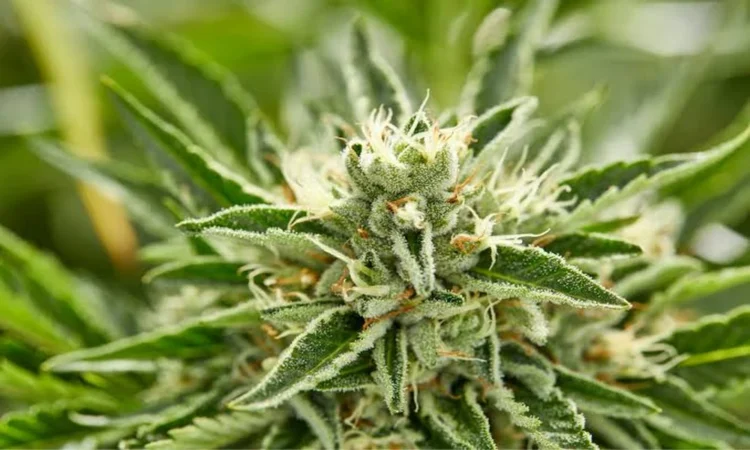

Biomass and smokable bulk THCA flower originate from the same crop yet occupy entirely separate positions within wholesale procurement. The comparison between them runs across four areas: intended use, grade assessment, pricing structure, and storage requirements. Buyers sourcing at wholesale scale evaluate each category against its own criteria from the outset when selecting thc flower because applying one category’s standards to the other produces procurement decisions that misjudge both value and suitability.
Intended use distinction
Intended use is the first point of comparison because it determines every assessment that follows. Biomass is purchased as raw material for extraction and processing, where cannabinoid content per unit weight defines its procurement value. Fragmented bud structure, excess leaf, and irregular trim do not reduce biomass suitability because extraction converts cannabinoid content regardless of the physical form the material arrives in. Smokable flower is purchased for direct consumption or retail distribution, where the end user receives the product exactly as it leaves the wholesale supply chain. Physical presentation carries procurement weight equal to potency because no downstream processing exists to correct grade deficiencies. This single difference in end use is what separates every other comparison point between the two categories.
Grade quality assessment
- Biomass grade criteria – Biomass grading measures total cannabinoid content per unit weight as the primary determinant, with contaminant screening confirming safety thresholds for extraction processing. Leaf proportion, stem content, and trim consistency are recorded but carry minimal grading influence because extraction yield depends on cannabinoid density rather than flower structure.
- Smokable flower grade criteria – Smokable grading applies to bud density, trichome coverage, trim consistency, moisture content, and leaf-to-flower ratio alongside laboratory potency figures. Every physical criterion contributes to the classification that determines pricing tier and distribution suitability. Batches meeting potency thresholds but falling below physical standards are excluded from smokable classification regardless of their certificate figures.
Pricing structure differences
Pricing comparison between the two categories reflects their separate grading structures. Biomass pricing per pound tracks total cannabinoid content confirmed through laboratory testing, with contaminant outcomes and moisture range the only physical criteria meaningfully affecting the quoted figure beyond the base cannabinoid rate. Smokable flower carries higher per-pound pricing than biomass at equivalent potency because physical grade contributes value that cannabinoid content alone does not capture. Trim quality, bud density, and trichome condition each build the smokable premium above the base rate. Comparing quoted figures across the two categories without separating their grade structures produces inaccurate cost assessments, because the two prices measure different sets of criteria despite covering material from the same crop.
Storage handling variance
Storage comparison shows the same divide carried through to facility management. Biomass storage tolerates wider humidity and temperature variance because structural integrity is not a distribution requirement for extraction material. Environmental controls focus on preventing cannabinoid degradation and mould development across the holding period.
Smokable flower storage applies tighter controls across temperature, humidity, light exposure, and oxygen barriers because the physical condition at distribution must match the grade confirmed at purchase. Trichome condition, bud formation, and moisture content each degrade under storage variance in ways that directly lower grade classification. Facilities holding both categories run separate storage protocols for each rather than a single environment across both.