

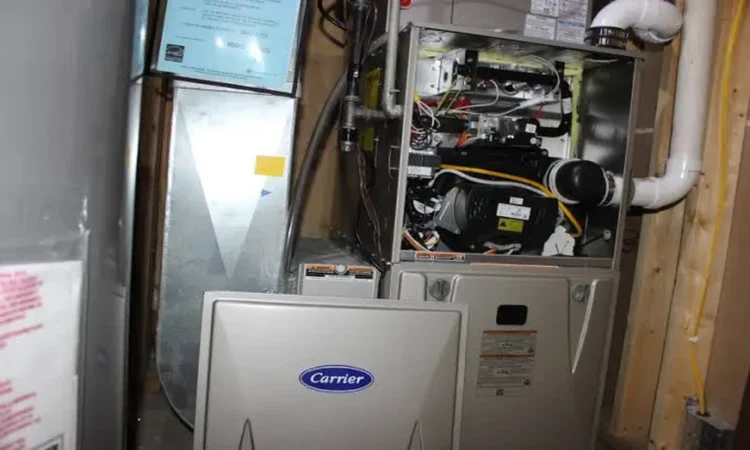
Most furnace breakdowns are not surprises. They’re ignored warnings. The noise that started last February, the slightly higher gas bill in November, the filter you meant to swap in October but didn’t get to until January. Those are the breadcrumbs. The repair bill just makes them hard to ignore.
The good news is that most furnace problems give plenty of warning before they become emergencies. You just need to know what you’re looking at. This guide breaks down the honest signals, a simple scheduling framework, and what a professional maintenance visit actually does for your system.
Why Heating Season Puts Real Pressure on Your Equipment
Your furnace isn’t running year-round, which is exactly why fall is its most dangerous season. It sat idle through spring and summer, collected dust on its heat exchanger, possibly had a mouse find a cozy corner in the burner box, and now you need it to fire up reliably on the first cold night and run for months without complaint.
Heating carries serious weight on any home’s energy budget. The U.S. Department of Energy reports that heating and cooling together typically account for 43% of a home utility bill, making the furnace one of the most financially consequential pieces of equipment you own. A system running at 80% efficiency because it hasn’t been cleaned in two years is burning the same fuel to produce noticeably less heat. That gap shows up in your bill before it shows up as a breakdown.
The seasonal restart is also when cracked heat exchangers, failed ignitors, and dirty flame sensors reveal themselves. Problems that were dormant all summer come online with the system.
Warning Signs Worth Taking Seriously
Not every furnace symptom is a five-alarm crisis. But these five deserve a call, not a wait-and-see:
- Short cycling – The furnace kicks on, runs for a minute or two, shuts off, and repeats. This is often a dirty flame sensor, a clogged filter, or an overheating issue. Left alone, it stresses the heat exchanger every single cycle.
- Unusual smells on startup – A faint burning dust smell at the beginning of the season is normal. A persistent sulfur smell, a burning plastic odor, or anything that doesn’t clear in 20 minutes is not. Those need attention that day.
- Uneven heating between rooms – One bedroom is always cold even with the thermostat pushing heat everywhere else. This can point to duct issues, but it can also mean the furnace isn’t producing enough pressure to distribute evenly, which maintenance can diagnose.
- Rising heating bills without a weather explanation – A significant spike when temperatures haven’t dropped dramatically is a red flag. Dirt on the heat exchanger and blocked airflow are the most common culprits.
- The system is more than 10 years old with no documented service – This isn’t a symptom, it’s a risk profile. Systems at this age without maintenance records need an assessment, not an assumption that everything is fine.
The Maintenance Timing Matrix
One question homeowners ask more than any other is “how often do I really need to do this?” Here’s a practical framework that cuts through the vague advice:
| Household Profile | Recommended Service Frequency | Primary Risk Without Service |
|---|---|---|
| No pets, 1 to 2 adults, newer system | Once annually, early fall | Efficiency drift, missed manufacturer warranty requirement |
| Pets, children, or allergy sensitivities in household | Once annually plus mid-season filter check | Rapid filter clogging, restricted airflow, short cycling |
| System 8 to 15 years old | Once annually, no exceptions | Cracked heat exchanger going undetected, unexpected failure mid-winter |
| System over 15 years old | Annually, with assessment of remaining life expectancy | Emergency replacement cost at peak-demand pricing |
| Vacation or rental property | Pre-occupancy check each season | No occupant to notice warning signs before failure |
The table above is opinionated by design. The baseline answer is always once a year, in early fall, before you need the system. Everything else is layered on top of that baseline, not instead of it.
What a Professional Visit Actually Does
There’s a lot of confusion about what separates a real maintenance visit from a technician showing up, glancing at the unit, and handing you a bill. A thorough service call runs through a detailed checklist of every measurable component: heat exchanger integrity, burner combustion analysis, electrical connections, capacitor readings, blower motor condition, flue venting, and thermostat calibration. The filter gets replaced. The condensate drain gets cleared if applicable.
“Dirt and neglect are the top causes of heating system failure,” according to the U.S. Environmental Protection Agency’s Energy Star program, which recommends a pre-season checkup with a licensed contractor for any system more than 10 years old.
That EPA framing matters because it puts the choice in honest terms: you’re either paying for a scheduled visit or eventually paying for a failure. Scheduling furnace inspections and tune-ups before the season starts isn’t just good housekeeping; it puts you in the queue before demand spikes and every contractor in the market is booked three weeks out.
One thing most homeowners don’t realize: many furnace manufacturers require documented annual maintenance as a condition of honoring the warranty. If a heat exchanger cracks on a system that’s four years old and there’s no service record, that claim can be denied. The maintenance call is also warranty protection.
The Arizona Wrinkle
For homeowners in warm-climate states, furnace maintenance often gets pushed aside because the system runs so infrequently compared to the air conditioner. That logic backfires hard. According to a 2025 report from the U.S. Energy Information Administration, natural gas remains the main heating fuel in 47% of U.S. homes, and that includes households in Sun Belt states where the furnace might only see 60 to 80 run hours per year.
Low annual hours don’t mean low risk. A furnace sitting in a hot attic or a garage in Phoenix area summer conditions faces thermal stress, potential pest intrusion, and humidity swings that a continuously used system in a northern climate might actually be better conditioned to handle. In fact, the irregular-use pattern means components like igniters and flame sensors may not fail gradually but rather fail instantly on the first real-cold-night call for heat. That’s the worst possible time for a surprise.
Schedule in September. Beat the October rush. The visit takes about an hour and the peace of mind runs all winter.
A Pre-Season Checklist You Can Run Yourself
Before calling a technician, or to confirm you need one, go through these yourself:
- Pull the filter and look at it under good light. If you can’t see daylight through it, replace it now.
- Turn the thermostat to heat and set it five degrees above room temperature. Listen for ignition. The system should fire within 30 to 90 seconds.
- Stand near your supply registers once the system is running. Airflow should be consistent and feel warm within two to three minutes.
- Walk the perimeter of the unit and listen. No rattling, banging, or high-pitched squealing during operation.
- Check the area around the flue pipe outside. Clear any debris, bird nests, or blockage.
If steps two, three, or four produce anything unexpected, stop the self-assessment and call a tech. You’ve done your job. Anything beyond filter replacement is professional territory.
Don’t Wait for a Cold Night to Find Out
The furnace that fails in the middle of a January night is almost always the furnace that skipped its fall appointment for two or three years running. Maintenance isn’t a premium service for people who love spending money on their house. It’s how you avoid the repair call that costs four times as much and happens at the worst possible time.
Book early, keep records, and treat your annual furnace visit the same way you treat a car oil change: not optional, not interesting, just a routine that makes everything else run the way it should. Your next heating season will be quieter for it.