

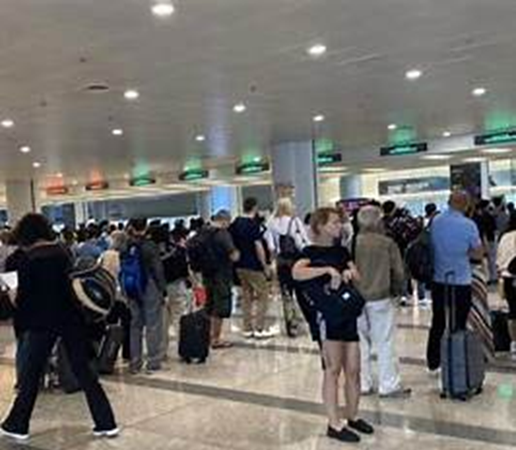
I used to treat the first hour after landing like a checklist: find cash, find transport, find a SIM counter. It felt normal—almost part of the ritual of arriving somewhere new. In Vietnam, though, that ritual started to feel less charming and more… unnecessary.
Not because physical SIM cards don’t work. They do. But because the trip kept reminding me that the real cost isn’t the money—it’s the interruption. The line at the airport when you’re tired. The tiny misunderstanding when you’re trying to explain what you need. The awkward moment when the card doesn’t fit, or when you’re not sure whether it’s actually set up properly.
That’s when I began paying attention to eSIM alternatives to physical SIM in Vietnam—not as a trend, but as a practical way to keep the trip moving instead of pausing it.
What I didn’t expect was how quickly “just get a SIM somewhere” becomes a repeated chore if you’re moving a lot. Vietnam rewards movement—day trips, overnight buses, spontaneous detours, late check-ins. The more you’re on the go, the more you start valuing anything that doesn’t force you to stop and troubleshoot.
The biggest difference with an eSIM approach wasn’t speed tests or technical details. It was the feeling that you could handle small logistics without turning them into tasks.
For example: coordinating with a driver who prefers calls, not app messages. Confirming a guesthouse check-in time when your bus arrives late. Getting a quick text from a host about where to meet. These moments are simple, but they’re the moments that either keep a day smooth—or turn it into a series of small frictions.
A physical SIM can do these things too, of course. But buying and setting it up after arrival often means you’re doing it when you’re least patient: right after a flight, or in a crowded spot, or while trying to juggle luggage and directions.
What I appreciated about choosing an eSIM alternative was that it shifted the effort to a calmer time—before the trip—or at least to a moment when I wasn’t standing under harsh airport lighting with ten other things on my mind.
There’s also a quieter advantage people don’t talk about enough: how it feels to stay reachable in the same way locals do. Not everyone uses the same messaging apps. Not every small business replies quickly in chat. But calls and basic texts still cut through.
On one part of my route, I stayed at a small, family-run place where the owner simply wasn’t an “app person.” Everything was quick and direct. A short call. A short message. The kind of communication that doesn’t require you to explain which platform you’re on or whether you’re checking it. It was refreshingly simple.
And once that simplicity becomes your default, it’s hard to go back to the old pattern of “I’ll sort it out later.”
Another thing I noticed: when you’re traveling with friends or family, connectivity isn’t just personal—it’s shared. Someone gets separated at a market. Someone arrives earlier. Plans change because of weather. The trip stays relaxed when communication stays simple.
The best setups are the ones that don’t demand attention. You’re not constantly checking whether something “activated.” You’re not searching for Wi-Fi just to send a basic update. You’re not thinking about connectivity as a project. You’re just traveling.
That’s why the “alternative” part matters. It’s not eSIM versus physical SIM as a debate. It’s eSIM as a way to remove one of the more annoying little obstacles that quietly taxes your energy—especially if you’re arriving late, moving quickly, or simply trying to start your trip on a calmer note.
Vietnam is full of tiny, beautiful moments that happen when you’re not rushing—when you’re not stuck in lines, not troubleshooting, not trying to make something basic work. If there’s one lesson I’m taking with me, it’s that the best travel tools are the ones that help you stay in the experience… and out of the errands.