
How cold chain technology protects retatrutide peptide during supplier shipment?

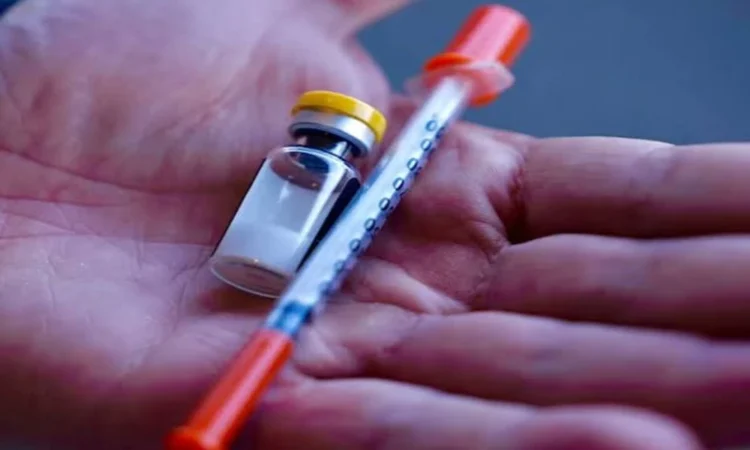

Cold chain technology protects retatrutide during shipment by holding the compound inside its stable temperature range from the supplier’s freezer to the receiving laboratory, using packaging, coolants, and monitoring built for the journey. Protection of this kind matters because the peptide’s stability depends on conditions the shipment must maintain without anyone watching. Researchers comparing options for where to buy retatrutide read a supplier’s cold chain setup as part of the product itself, since material that travelled unprotected arrives as a different purchase than its certificate describes. The sections below cover the technology as a system, the protective measures it applies, the transit the shipment travels, and the delivery the technology finally hands over.
Cold chain technology
Cold chain technology works as one system rather than a box with ice in it, and the system’s job is holding a stated temperature range across a stated number of days regardless of the weather the parcel meets. Suppliers running validated chains have tested their setup against time and temperature and can state their limits as figures. The technology’s components work in layers, with insulated packaging forming the outer defence, phase change coolants or dry ice holding the internal range, thermal buffers separating the compound from direct coolant contact, and a monitoring indicator riding beside the vials to record whether the range is held. Each layer covers a different failure that the journey could produce, and the validated whole is what the buyer actually relies on.
Supplier shipment protection
Supplier shipment protection applies through four ordered measures.
- Pre-conditioning, with packaging and coolants brought to temperature before the compound is packed.
- Sealed configuration, with the validated packing arrangement followed exactly for every shipment.
- Transit margin, with coolant capacity sized beyond the expected journey to absorb carrier delays.
- Indicator inclusion, with the monitor sealed inside to record the range across the whole trip.
Retracted peptide transit
Retatrutide transit on the outbound leg belongs entirely to the system, with the parcel moving through carrier networks while the coolant holds its range and the indicator records. The supplier’s work is finished at dispatch, and the technology carries the responsibility alone through every handoff and delay the route produces. Transit on the arrival leg passes responsibility to the receiver. The laboratory checks the indicator before anything else, confirms the range held, and moves the vials to stated storage, completing the chain that the supplier’s freezer began. A clean indicator at this handover is the technology’s proof of work.
Technology protecting delivery
Technology protects delivery through to its final 2 duties.
- Delivery confirmed protected – Protection closes at the doorstep with the indicator readable and the compound inside its range, giving the receiving team a verified basis for accepting the shipment into the study’s material record.
- Delivery records kept – Protection’s final product is the documentation, with the indicator result filed beside the certificate, so the transit joins the batch’s permanent evidence, available to every reviewer who later asks how the material travelled.
Cold chain technology protects retatrutide during supplier shipment by layering packaging, coolant, buffering, and monitoring into one validated system that holds the compound’s range from freezer to laboratory. The protection runs unwatched through the outbound leg, proves itself at the arrival check, and files its evidence with the batch, which is why buyers weigh the chain as part of the product and why suppliers who validate theirs state the figures openly for every order.